Wado-Ryu The Way of Harmony
Traditional Japanese karate rooted in jujutsu, shaped by the vision of Hironori Otsuka.
What Is Wado-Ryu?
Wado-Ryu is a traditional Japanese martial art founded by Hironori Otsuka in 1934. Drawing on Okinawan karate, Shindo Yoshin-Ryu jujutsu, and principles found in Japanese swordsmanship, Otsuka developed a distinctive approach to karate built around natural movement, timing, positioning, and harmony.
The name Wado-Ryu is commonly translated as “the Way of Harmony.” Its teachings encourage practitioners to refine both their physical skills and their character through consistent, thoughtful training.
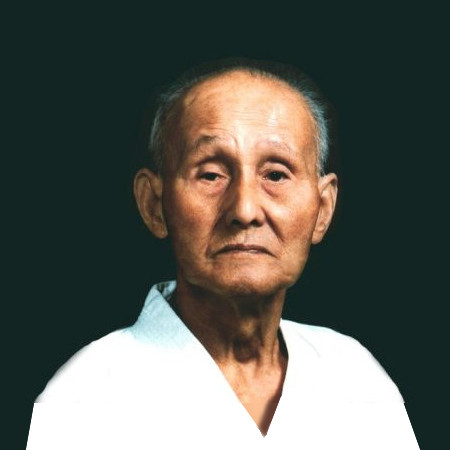
The Founder: Hironori Otsuka
Hironori Otsuka was born on June 1, 1892, in Shimodate, Ibaraki Prefecture, Japan. He began studying traditional Japanese jujutsu as a child, first learning from his maternal great-uncle, Chojiro Ebashi, in 1897. In 1905, he entered formal training in the Yoshin-Ryu jujutsu tradition under Tatsusaburo Nakayama, becoming an accomplished practitioner before he ever began studying karate.
In 1922, Otsuka began learning Okinawan karate, including study with Gichin Funakoshi. His existing experience in jujutsu informed the way he understood karate techniques. Rather than simply combining movements from different arts, he developed an approach guided by efficient body mechanics, distance, timing, and the ability to adapt to an opponent’s movement.
Otsuka established the organization that would become Wado-Ryu in 1934. The style’s name and formal recognition developed during the following years; by 1940, Wado-Ryu Karate Jutsu was being presented under that name at a major martial arts event in Kyoto.
His contributions received national recognition in 1966, when the Japanese government awarded him the Order of the Rising Sun, Gold and Silver Rays. Otsuka continued to influence the art throughout his life. He died on January 29, 1982, leaving a tradition practiced far beyond Japan.
The Meaning of Wado-Ryu
Wa — Harmony
More than the absence of conflict, wa expresses balance, wholeness, and the pursuit of harmony in movement and in life.
Do — The way or path
Martial arts are a continuing discipline, not simply a collection of techniques.
Ryu — School or tradition
The name recognizes a particular approach to martial practice and the teachings passed from one generation to the next.
For Otsuka, the purpose of martial arts extended beyond physical strength or winning a confrontation. Training offered a way to develop sound judgment, self-control, adaptability, and respect for others.
A Unique Approach
What Makes Wado-Ryu Different?
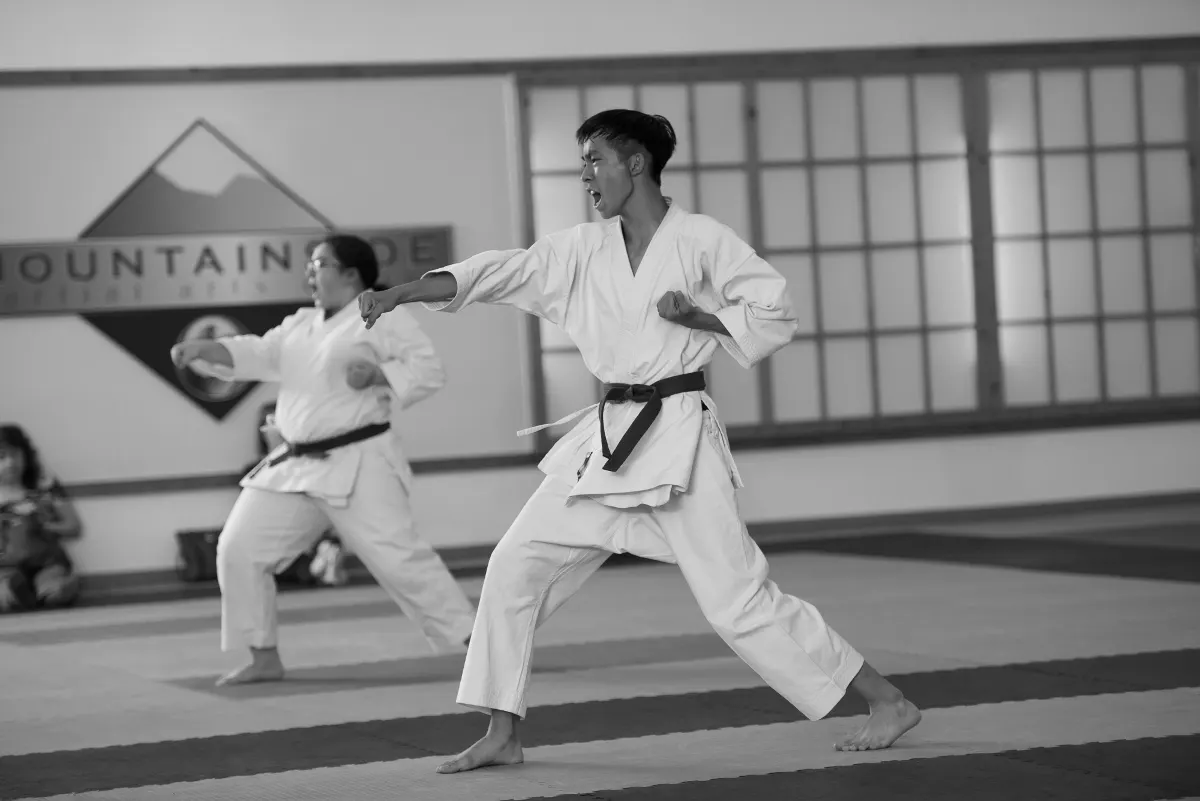
Wado-Ryu places special emphasis on body movement, precise timing, and intelligent positioning. Rather than depending only on strength to meet force directly, practitioners learn to adjust distance and angle, avoid unnecessary collision, and respond with controlled technique.
Its roots in Japanese jujutsu help explain this distinctive approach. Wado-Ryu preserves the striking methods of karate while drawing on principles of shifting, evasion, balance, and efficient movement. These ideas are practiced through fundamentals, kata (forms), and paired exercises.
A Tradition That Continues
Wado-Ryu grew from Otsuka’s work in Japan into an international martial arts tradition. Its teaching has continued through generations of instructors and students, including the Otsuka family and numerous organizations devoted to the practice and preservation of the style.
Today, Wado-Ryu remains more than a historical system. Its principles of harmony, awareness, discipline, and lifelong improvement continue to guide students around the world.
A tradition of harmony. A lifetime of practice. A legacy carried forward.