Tradition & Culture Since 1979
Wado-Ryu is a traditional Japanese martial art founded by Hironori Otsuka in 1934. Shaped by his study of Japanese jujutsu and Okinawan karate, it brings together disciplined technique, natural movement, and the pursuit of harmony.
In 1979, Rick Savagian began sharing Wado-Ryu with the Ahwatukee Foothills community of Arizona. Over the decades, his dedication to traditional instruction helped carry forward principles that reach back to the art’s founder and generations of Japanese martial arts teachers.
This is a story of the people who developed, preserved, and passed on those traditions.
Our Foundation
Honoring the Traditions
In traditional Japanese martial arts, the dojo is more than a place to practice technique. It is a place of learning, respect, attention, and responsibility. Courtesy toward one’s teachers and training partners reflects an understanding that knowledge is received through dedication and carried forward through example.
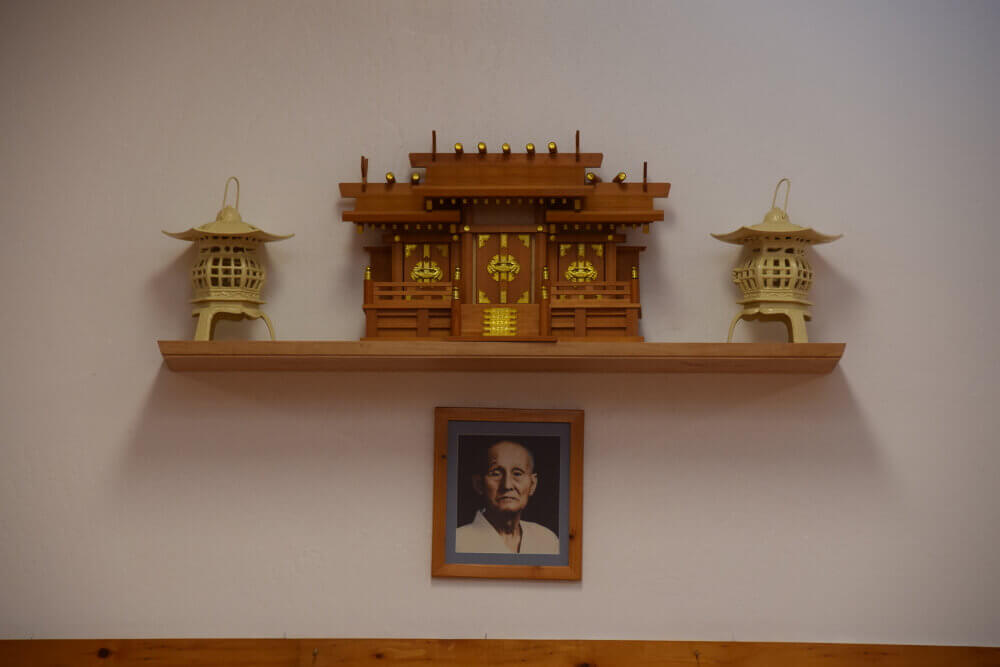
The dojo’s ceremonial display and portrait of the founder offer a visible connection to those who came before. They remind students that their practice belongs to a tradition larger than any individual instructor or generation.
Our Lineage
The Masters of Wado-Ryu
Across three generations of the Otsuka family—and through the work of dedicated teachers in Japan and the United States—the principles of Wado-Ryu have continued to reach new students. The following individuals are an important part of the history presented by Wado-Ryu USA.
Hironori Otsuka I
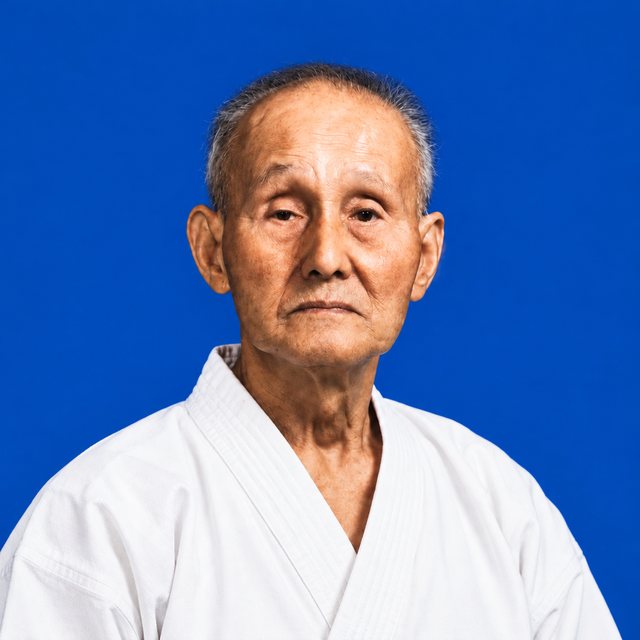
Born on June 1, 1892, in Shimodate, Japan, Hironori Otsuka began martial arts training as a child under his great-uncle, Chojiro Ebashi. In 1905, he became a student of Shindo Yoshin-Ryu Jujutsu under Tatsusaburo Nakayama, eventually attaining full mastery and becoming a fourth-generation successor of that tradition.
Otsuka began studying Okinawan karate in 1922, including training under Gichin Funakoshi. His experience in jujutsu gave him a distinctive perspective on karate, emphasizing timing, positioning, balance, and efficient use of the body. Drawing on these traditions, he formally established Wado-Ryu in 1934.
He believed the study of martial arts should develop character as well as physical ability. In 1966, the Japanese government recognized his contributions to karate with the Order of the Rising Sun, Gold and Silver Rays. His legacy continues through the teachings and philosophy of Wado-Ryu around the world.
Hironori Otsuka II
Jiro Otsuka, later known as Hironori Otsuka II, was born in Tokyo in 1934. The son of the founder, he began studying Wado-Ryu in his youth and spent his life developing the technical understanding and leadership needed to preserve his father’s martial arts tradition.
On December 20, 1981, Hironori Otsuka I designated Jiro as his successor. As the second Grand Master, Otsuka II assumed responsibility for the continued teaching of Wado-Ryu Karate-Do and Jujutsu Kenpo, helping maintain the tradition through a period of international growth and organizational change.
His leadership represented continuity between the founder’s original teachings and a new generation of practitioners. He remained the second-generation Grand Master until his death in June 2015.
Hironori Otsuka III
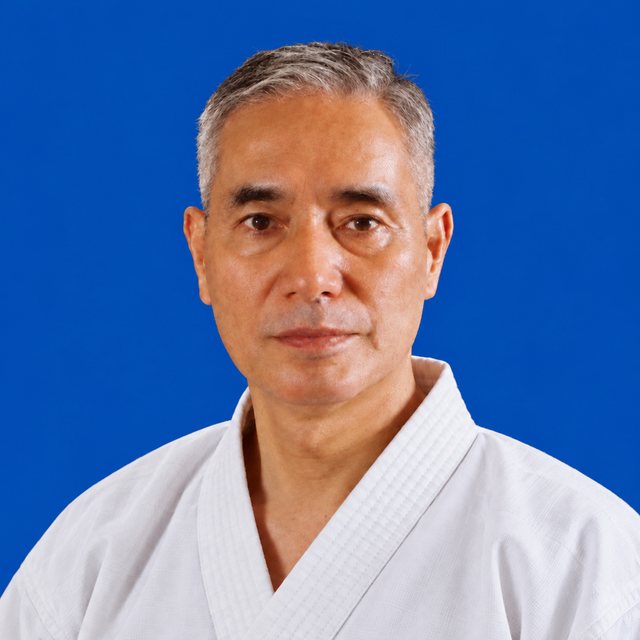
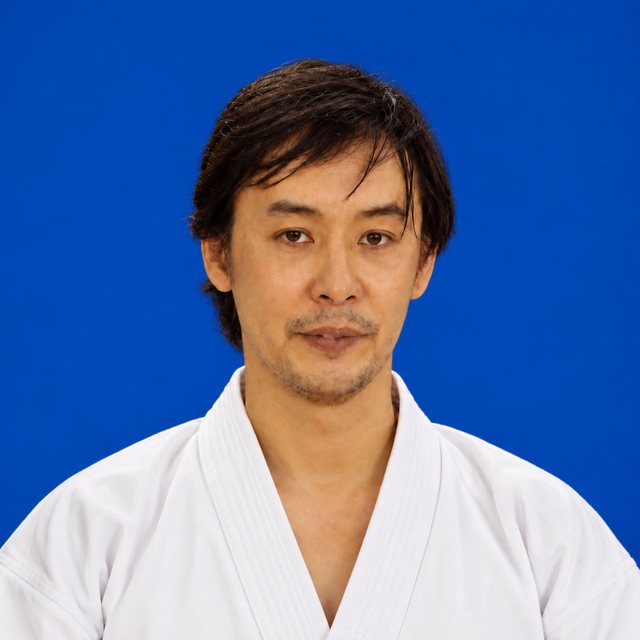
Kazutaka Otsuka, known as Hironori Otsuka III, is the grandson of the founder and son of Hironori Otsuka II. His martial arts education included Wado-Ryu as well as experience in other traditional Japanese disciplines, giving him a broad appreciation of the culture and principles from which Wado-Ryu emerged.
Over time, his training and responsibilities brought him into the work of sustaining the family tradition. Following the death of his father in 2015, he succeeded him as the third-generation Grand Master of the Wado-Ryu Karate-Do Renmei.
His role is both technical and cultural: preserving the teachings associated with the founder while making them available to practitioners in Japan and around the world.
Shihan Toshio Osaka
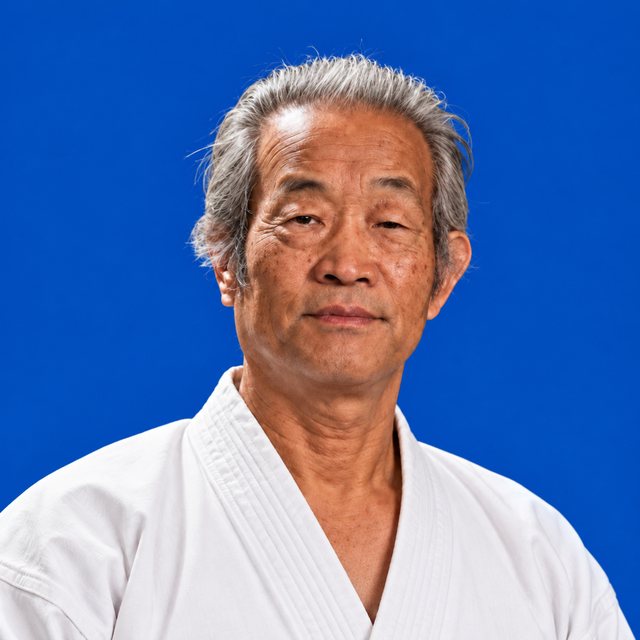
Originally from Kanagawa, Japan, Shihan Toshio Osaka began studying jujutsu as a young person and continued his martial arts education in karate. He trained with prominent Japanese instructors, including Hironori Otsuka I, and was a member of Nihon University’s karate team.
In 1970, Osaka came to Salt Lake City at the invitation of the Salt Lake Judo Club. Beginning with a small group of students, he expanded his instruction to the Salt Lake City YMCA and later the University of Utah. His teaching also reached law enforcement trainees and others who sought disciplined, traditional martial arts practice.
Recognized in Wado-Ryu USA’s historical account as an eighth-degree black belt and founder of the Japan International Karate Do Center, Osaka contributed to the growth of Wado-Ryu in the American West. His years of instruction helped provide a bridge between Japanese martial arts traditions and generations of American students.
Richard A. Savagian
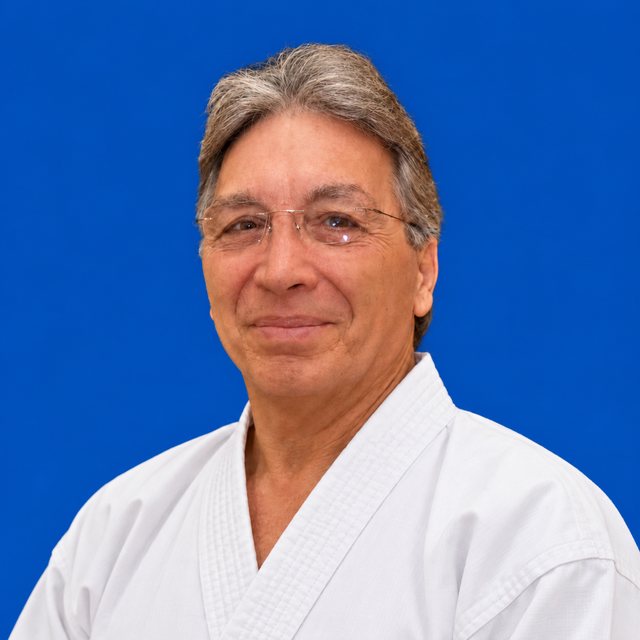
For more than six decades, Rick Savagian has dedicated himself to the study and teaching of traditional martial arts. In 1979, he established his Wado-Ryu teaching program in the Ahwatukee Foothills community of Phoenix, where Mountainside Martial Arts became a longstanding home for disciplined instruction.
Rick approached karate as more than physical training. His teaching emphasized the responsibility that comes with advancement: perseverance, respect, self-control, and the understanding that progress is earned through consistent effort. Generations of students encountered these principles through the demanding but meaningful work of traditional practice.
Following his retirement from Mountainside Martial Arts, Wado-Ryu USA represents a continuation of that commitment in a different form: documenting the history, people, and philosophy of a martial art that has shaped much of his life. It is an opportunity to preserve the tradition for students, instructors, and future generations.
Guiding Principles
The Philosophy of Wado-Ryu
Respect
Respect begins with courtesy in the dojo, but it extends to the way practitioners treat teachers, training partners, and others beyond the training floor. It includes gratitude for the knowledge entrusted to each new generation.
Discipline
Progress in martial arts does not come from rank alone. It grows through repetition, careful attention, patience, and a willingness to keep learning. The discipline of training develops habits that can carry into everyday life.
Harmony
The Japanese concept of wa, often translated as harmony, is central to Wado-Ryu. It concerns balance and wholeness—not simply the absence of conflict. In practice, it encourages efficient movement and composure; as a philosophy, it invites a more thoughtful relationship between strength, character, and responsibility.
Since 1979
A Tradition Preserved in Arizona
From the founding of Wado-Ryu in Japan to decades of teaching in Arizona, the art has endured because instructors took seriously their obligation to understand and pass it on. Rick Savagian’s work in Ahwatukee, beginning in 1979, became part of that continuing story.
With Wado-Ryu USA, the emphasis turns toward preservation: honoring the masters, recording the history, and sharing the values that make traditional martial arts meaningful beyond the dojo.
Earned, Not Given
In Wado-Ryu, rank is not the purpose of the journey. Understanding, character, and skill are built through time, practice, and perseverance. The lessons of traditional martial arts are not simply awarded. They are earned—and carried forward.